
VACANT TO VIBRANT
Vacant to Vibrant will leverage Los Angeles’ new citywide adaptive reuse rules, which let many existing commercial and industrial buildings be converted to housing largely within their existing footprint and volume, rather than requiring demolition and full ground‑up construction.
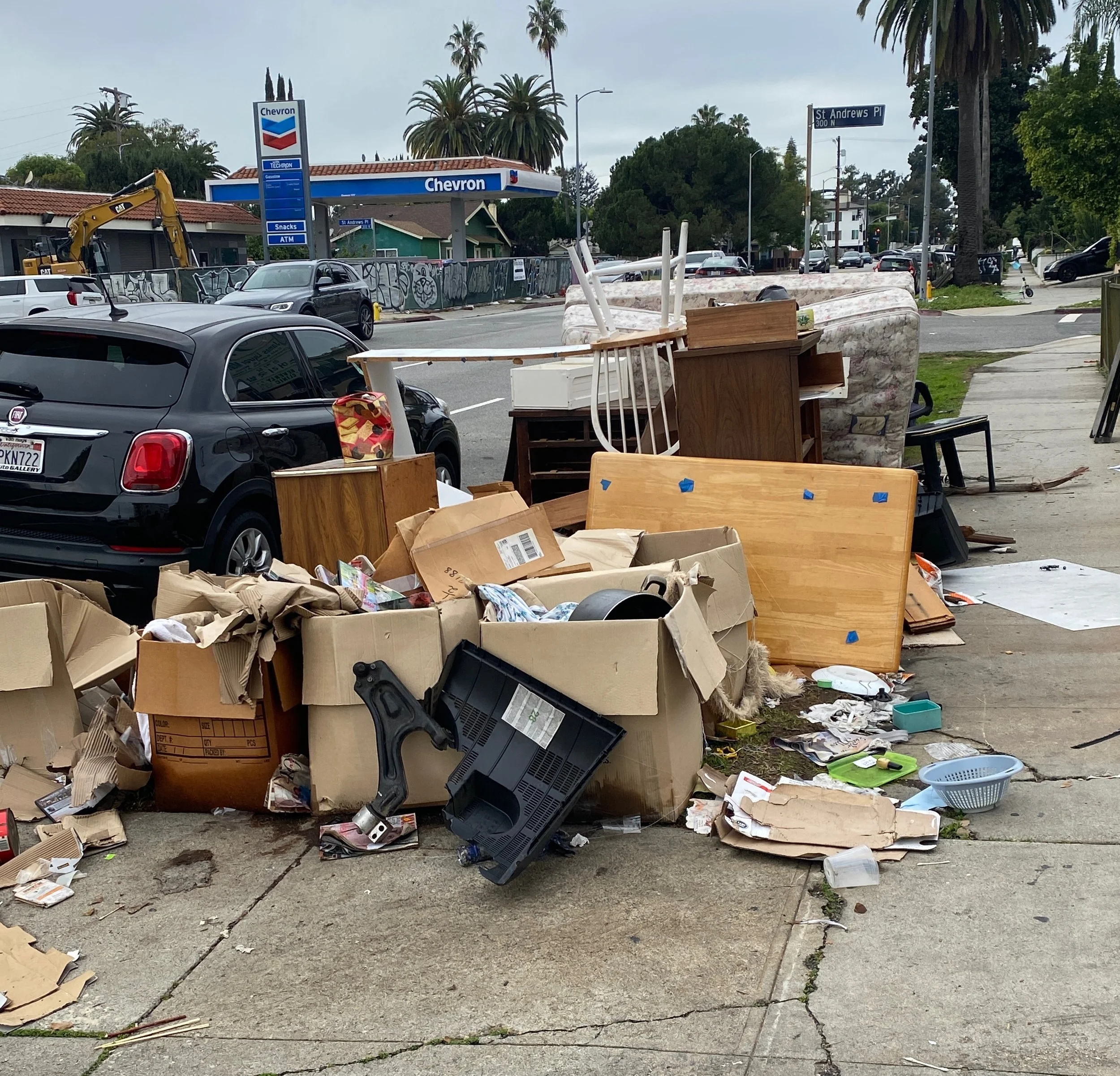
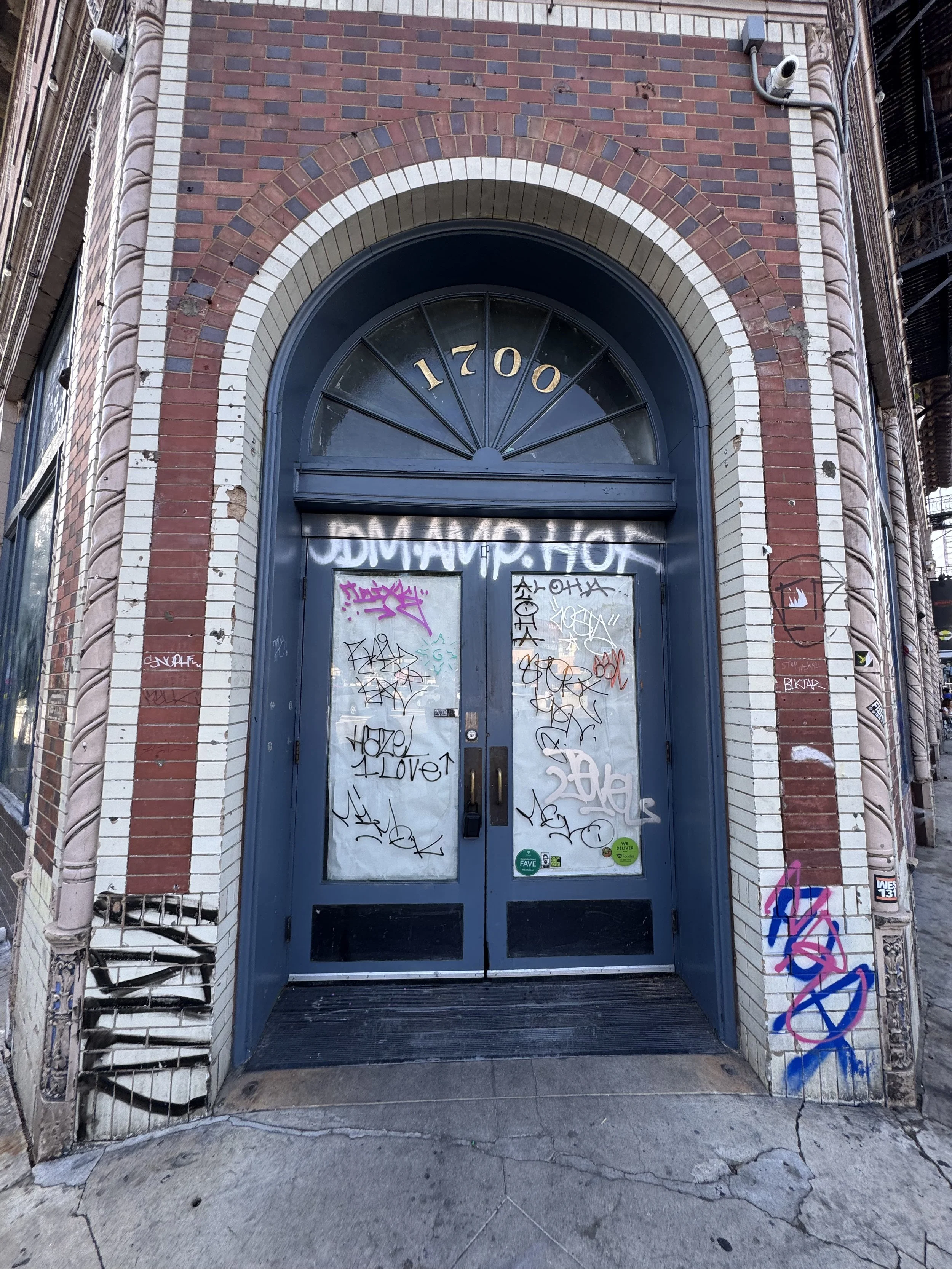
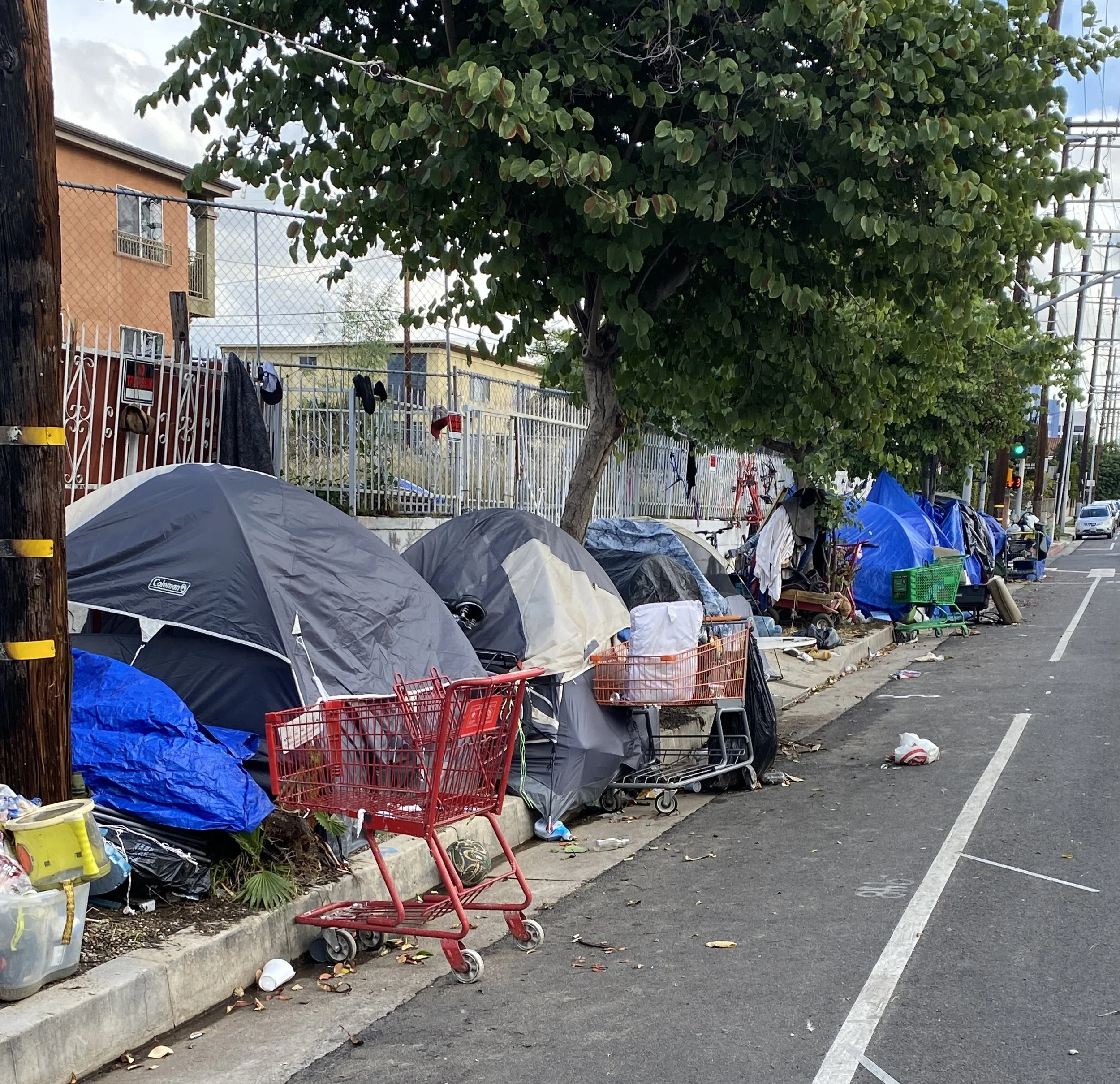

What I’ll Do Directly in My Council District
-
Identify and publicly champion a priority list of vacant and underused buildings for housing conversions, and actively support the land‑use approvals those projects need.
-
Create a District Vacant to Vibrant Team in my office to shepherd serious projects through DWP, Building and Safety, Fire, and Planning, troubleshooting delays in real time instead of letting them sit for months.
-
Use council‑office resources to help community‑based and nonprofit developers with early pre‑development needs (studies, test‑fits, code questions) so they can compete with big, out‑of‑town players.
-
Work with Neighborhood Councils to adopt pro‑conversion principles for key corridors, giving clear political support to projects that add housing without displacing rent‑stabilized tenants.
The goal is simple: in my district, if you’re turning a long‑empty site into well‑designed housing that respects tenants and the community, my office will make you a priority.

Citywide Changes I’ll Champion
Citywide Changes I’ll Champion
-
Strengthen and fully implement adaptive reuse and conversion rules so more existing office, commercial, and industrial buildings can become housing by right in appropriate areas.
-
Create true fast‑track lanes for qualified conversion projects - clear timelines, coordinated reviews, and automatic escalation when agencies miss deadlines.
-
Target fee relief and smarter incentives at projects that convert vacant or obsolete buildings into housing with real affordability and tenant protections, not at speculative luxury knock‑downs.
-
Align city policy with new county and state tools so we can bring more public and mission‑driven capital into buying and converting underused properties, not just greenfield luxury projects.
Vacant to Vibrant means I will use every tool available at both the district and city levels - empty lots, old buildings, smarter rules, and better coordination - to turn stuck properties into stable homes for Angelenos, efficiently and fairly.

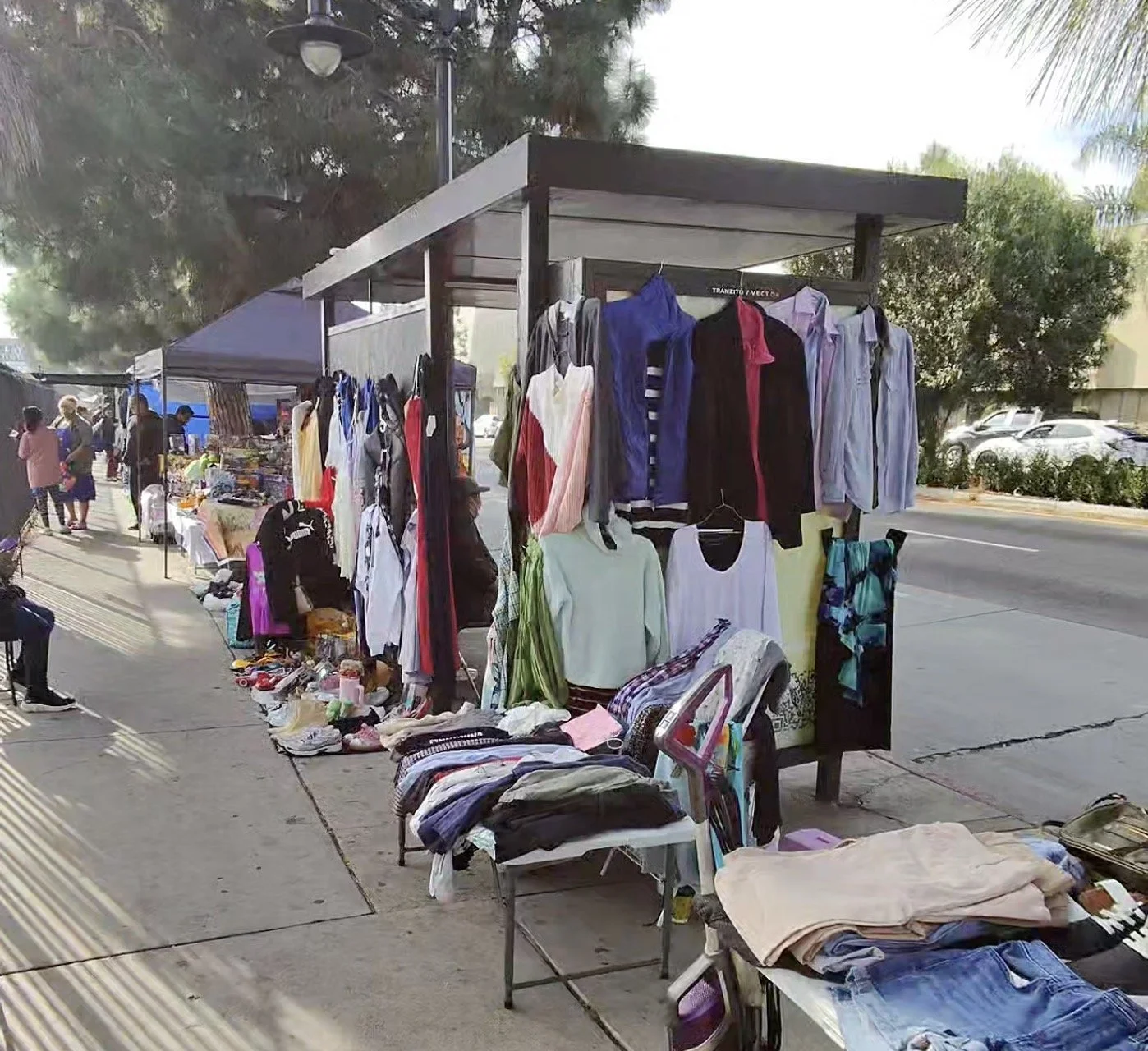
Vendor Integration Program
What I will do from the CD13 office
What I will push for citywide
A modern citywide vendor framework that:
Legalizes and supports compliant vendors.
Protects ADA access and basic sidewalk standards.
Respects brick‑and‑mortar investment and avoids direct doorstep conflicts.
Clear zoning and permitting rules for vendor hubs so they can be replicated across Los Angeles.
Adaptive Reuse:
Using the buildings We Already Have
-
Adaptive reuse - converting older, vacant, or underused, often office, buildings into housing - has just been expanded citywide,creating a clearer, faster path to turn many existing commercial and office buildings into homes without full demolition or massive new towers. But in Hollywood and parts of Council District 13, adaptive reuse has technically been allowed for years through the Hollywood Community Plan and other Community Plans, and we have barely used it. That is not a lack of tools, it is a lack of will.
-
I will make adaptive reuse a core part of our Vacant to Vibrant strategy, especially in areas already identified in the Hollywood and Silver Lake–Echo Park–Elysian Valley Community Plans for mixed‑use, commercial, and corridor growth. That means focusing on underused office and commercial buildings on key streets, rather than disrupting stable, rent‑stabilized blocks or historic residential neighborhoods. When we convert existing buildings on planned corridors, we add new homes, support ground‑floor businesses, and reinforce the 15‑minute neighborhood model instead of playing whack‑a‑mole with one‑off projects.
-
We understand that office‑to‑residential conversions are not a one‑step process. They require careful design, structural and systems upgrades, and close coordination among Planning, Building and Safety, Fire, and DWP to make projects pencil. But cities across North America and Europe have shown that, with clear rules and proactive political leadership, these conversions can deliver thousands of homes while preserving embodied carbon and neighborhood character. My commitment is to use the new citywide adaptive reuse framework, together with the Community Plans that already guide growth in CD13, to turn underused buildings into real homes, quickly, predictably, and in places that strengthen walkable, 15‑minute neighborhoods.
15 Minute City Model
Los Angeles must build far more housing, and fast, and we can choose where and how we grow. My vision is a city of 15‑minute neighborhoods, where most daily needs, shops, schools, groceries, and parks, are just a short walk or bike ride away.
-
A Community‑Driven Alternative to SB 79
State law requires the city to plan for about 456,000 new homes by 2029. But Senate Bill 79 would blanket‑upzone huge portions of L.A., allowing big jumps in height and density, even in historic, walkable neighborhoods like Larchmont, Windsor Square, and Silver Lake without real planning for streets or infrastructure.
I oppose that one‑size‑fits‑all approach. Instead, I’ll push for a local alternative plan that meets or exceeds state housing goals with targeted growth along major corridors and transit‑rich streets. This plan will be developed with neighbors, renters, small businesses, and design experts, and submitted to the state as a community‑built, legally compliant alternative.
-
From Whack‑a‑Mole to Smart Growth
Right now, development feels random - isolated projects with no trees, shops, or street plan. I want to replace that chaos with connected, complete neighborhoods.
We’ll:
Focus taller, mixed‑use housing on major streets like Vermont.
Use coordinated design standards for height, trees, lighting, and open space.
Pair new housing with safer crossings, better transit, and small‑business support.
Good housing should also be beautiful: human‑scaled, walkable, and welcoming. Beautiful design costs no more than bad design, and it strengthens local business corridors and community pride.
-
Building Homes, Protecting Neighborhoods
We can and must build far more housing while protecting what makes every neighborhood special. By aligning growth with transit, infrastructure, and community input, Los Angeles can finally break the cycle of random development and achieve balanced, sustainable growth.
The 15‑Minute City vision gives us more homes, shorter commutes, stronger small businesses, and a better daily experience for everyone who calls L.A. home.