
The Streets as We See Them
Challenges to Walkability, Comfort, and Prosperity
Across Council District 13, we’ve waited for the City to deliver a real Capital Infrastructure Plan and it’s been stuck in bureaucracy instead of fixing our streets, sidewalks, trees, and public spaces. So in our district, we’re not waiting. We will create a District‑Level Capital Infrastructure Plan that maps out our priorities, identifies real funding sources, and exposes the money LA is leaving on the table because it lacks a structured plan. Then we’ll use this plan to push Public Works, support the implementation of Executive Directive 9, and demand that the City finally scale this approach citywide.
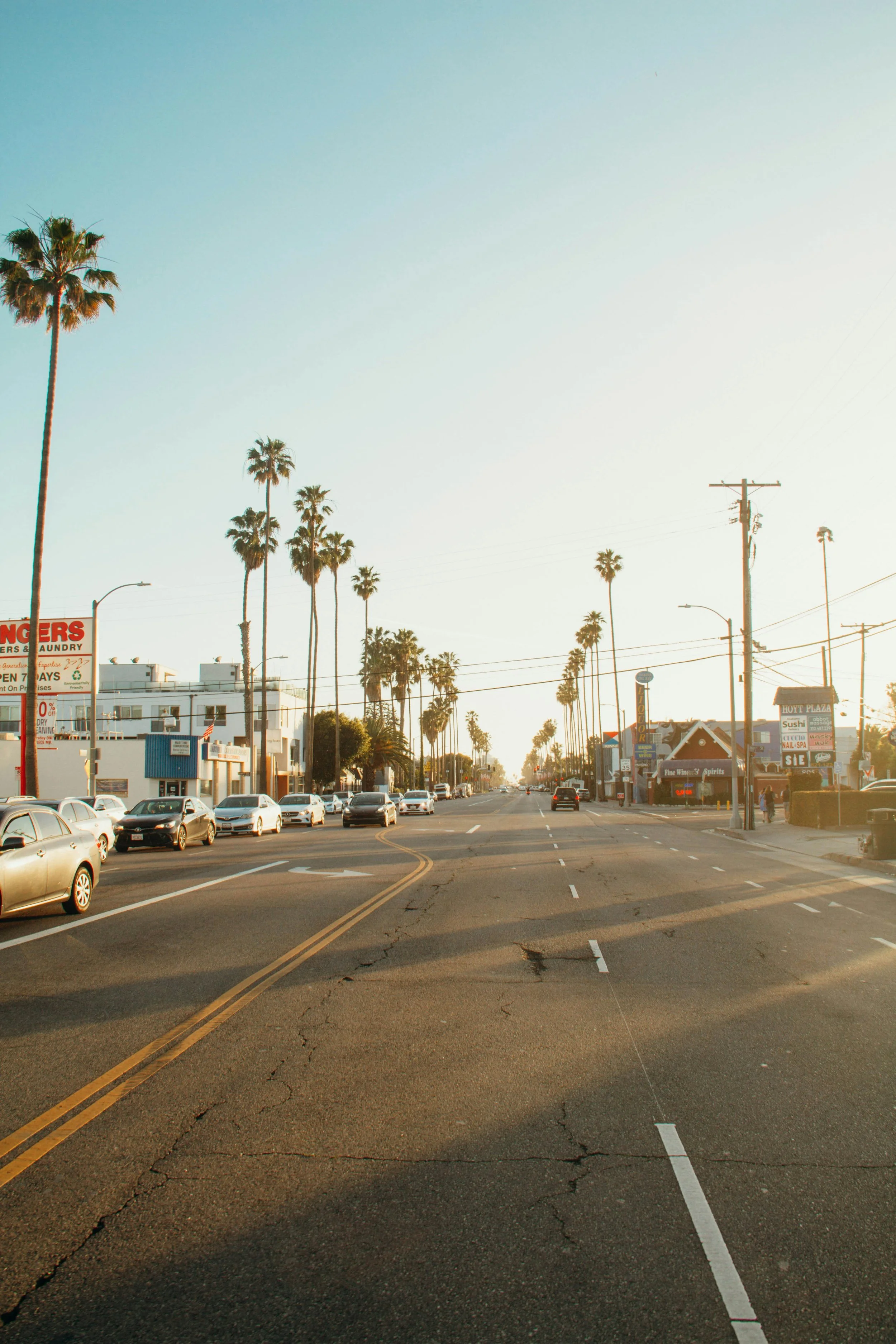
Turning Challenges Into Walkable, Thriving Corridors
Transforming District 13's streets requires leadership that sees how these challenges negatively impact a thriving economic baseline. Broken sidewalks trigger lawsuits that drain repair budgets. Heat islands concentrate where tree canopy, greening efforts and city investment are lowest discouraging neighbors from walking.
Walkable, safe, and climate-responsive streets aren't just quality-of-life improvements, they're prerequisites for small business survival, equitable development, and ensuring every resident enjoys their neighborhood.
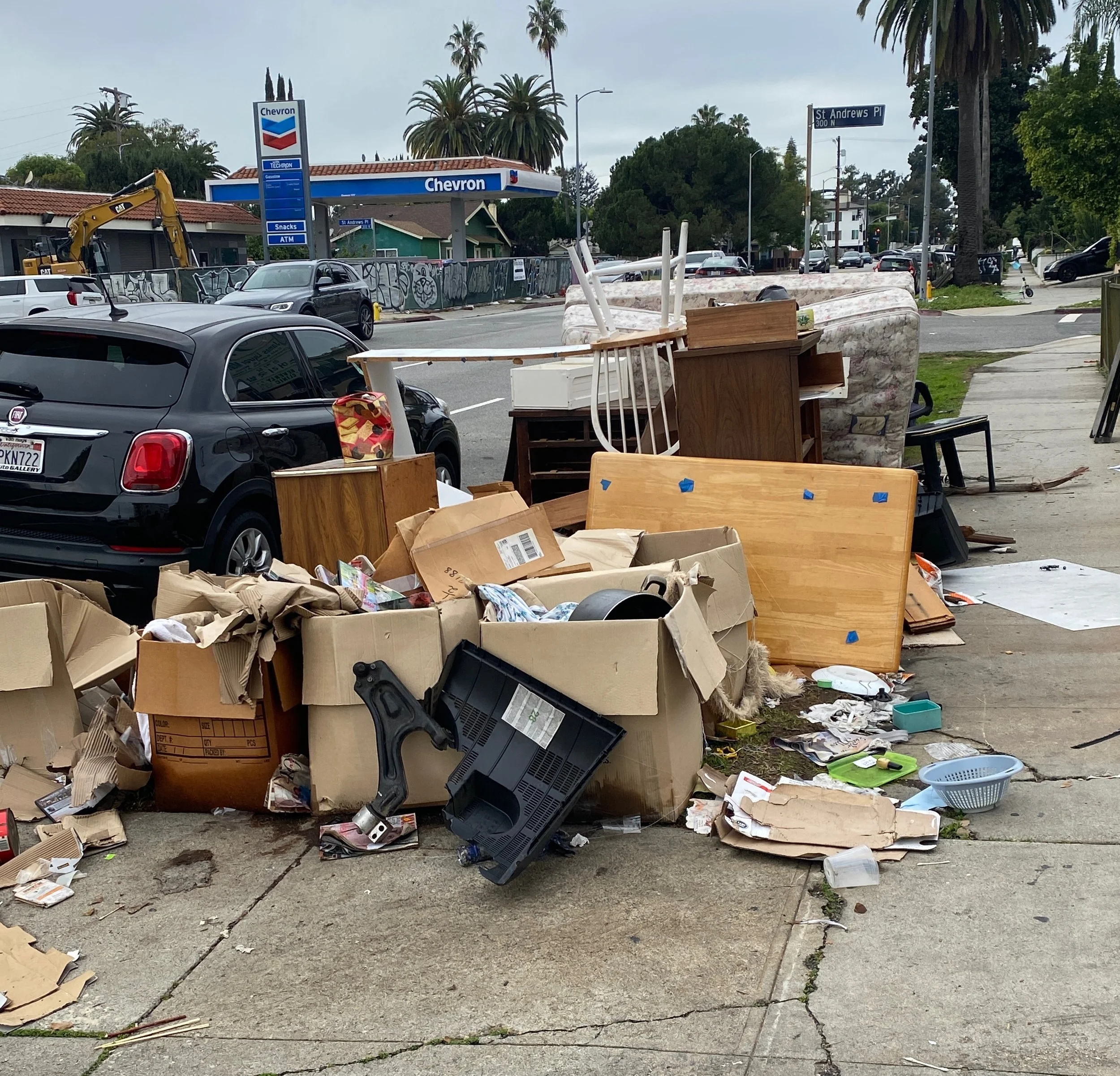
Why Is Trash Piling Up in Council District 13?
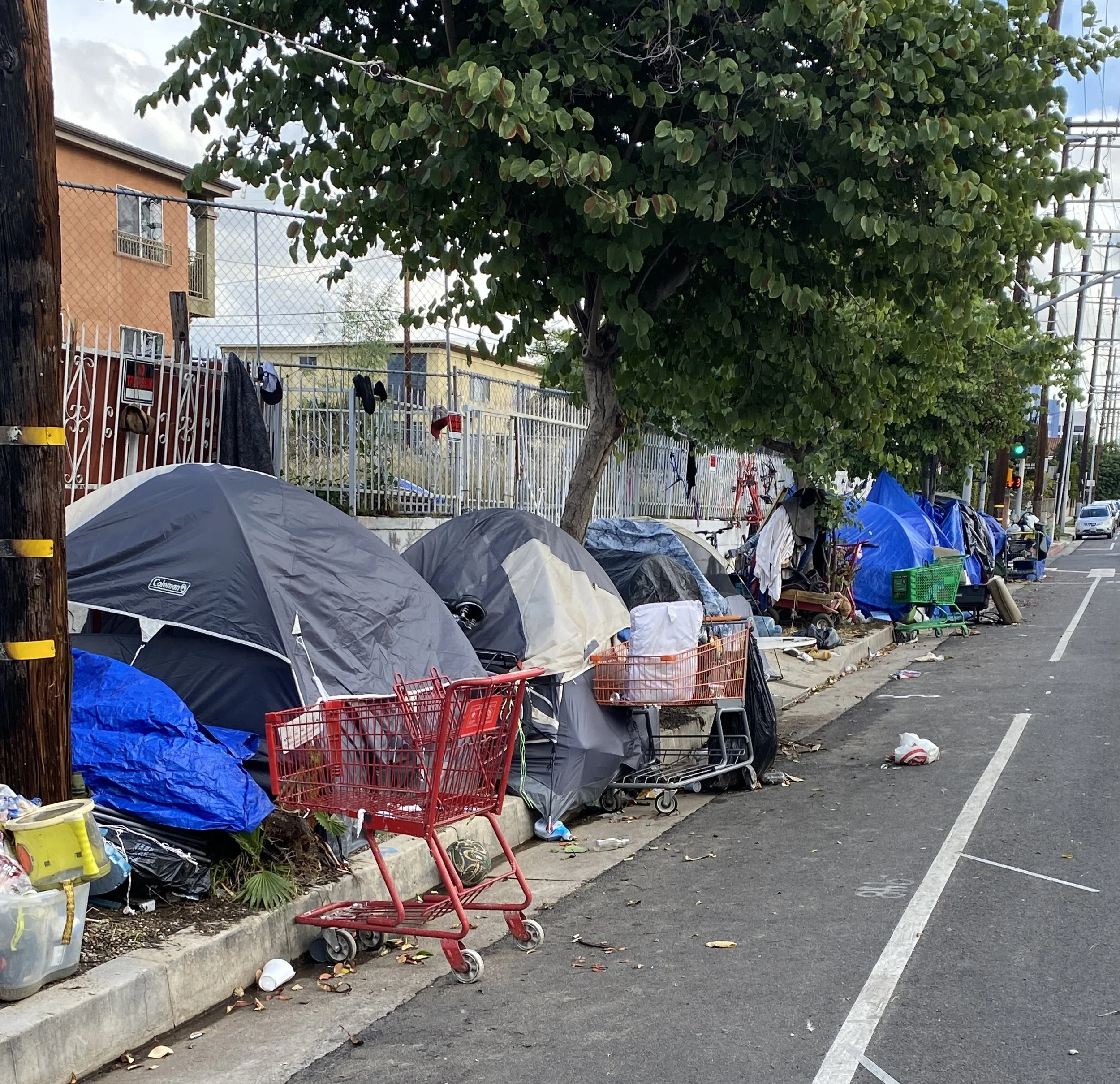
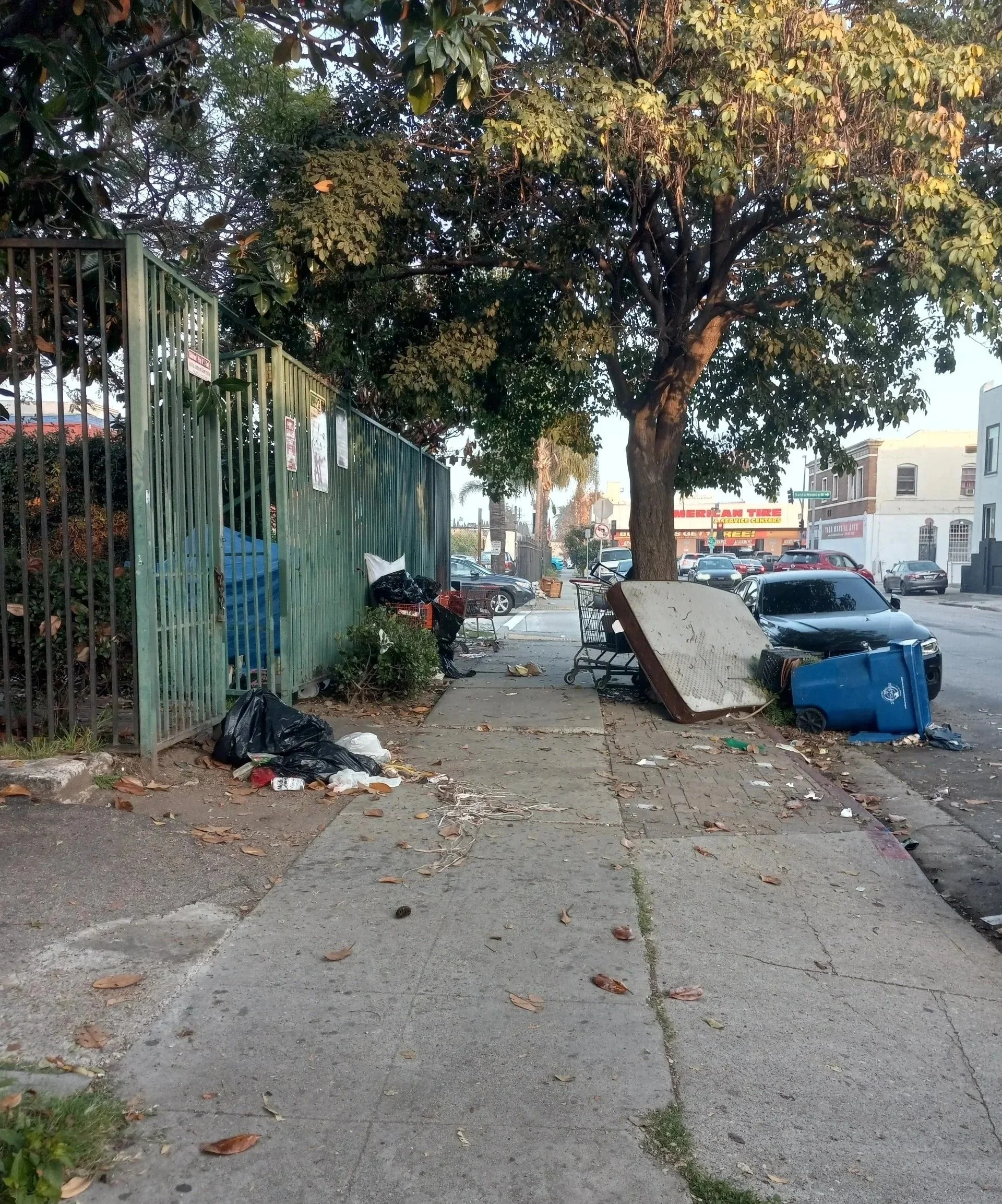
Despite collecting trash fees from every property owner, the city's budget deficit has led to fewer bins, slower pickups, and delayed responses to illegal dumping along our commercial corridors. On Hollywood Boulevard and Sunset, from Silver Lake to Echo Park, overflowing or missing bins send a clear message: basic services aren't a priority. The result is predictable: trash piling up on sidewalks, especially near encampments where sanitation needs are greatest, creating public health risks and harming small businesses. A generation ago, Woodsy Owl and "Give a Hoot, Don't Pollute" made environmental stewardship part of our civic identity, we've lost that culture of shared responsibility, and it shows on our streets. Restoring it means combining better infrastructure with education, outreach, and community ownership programs.
Trash
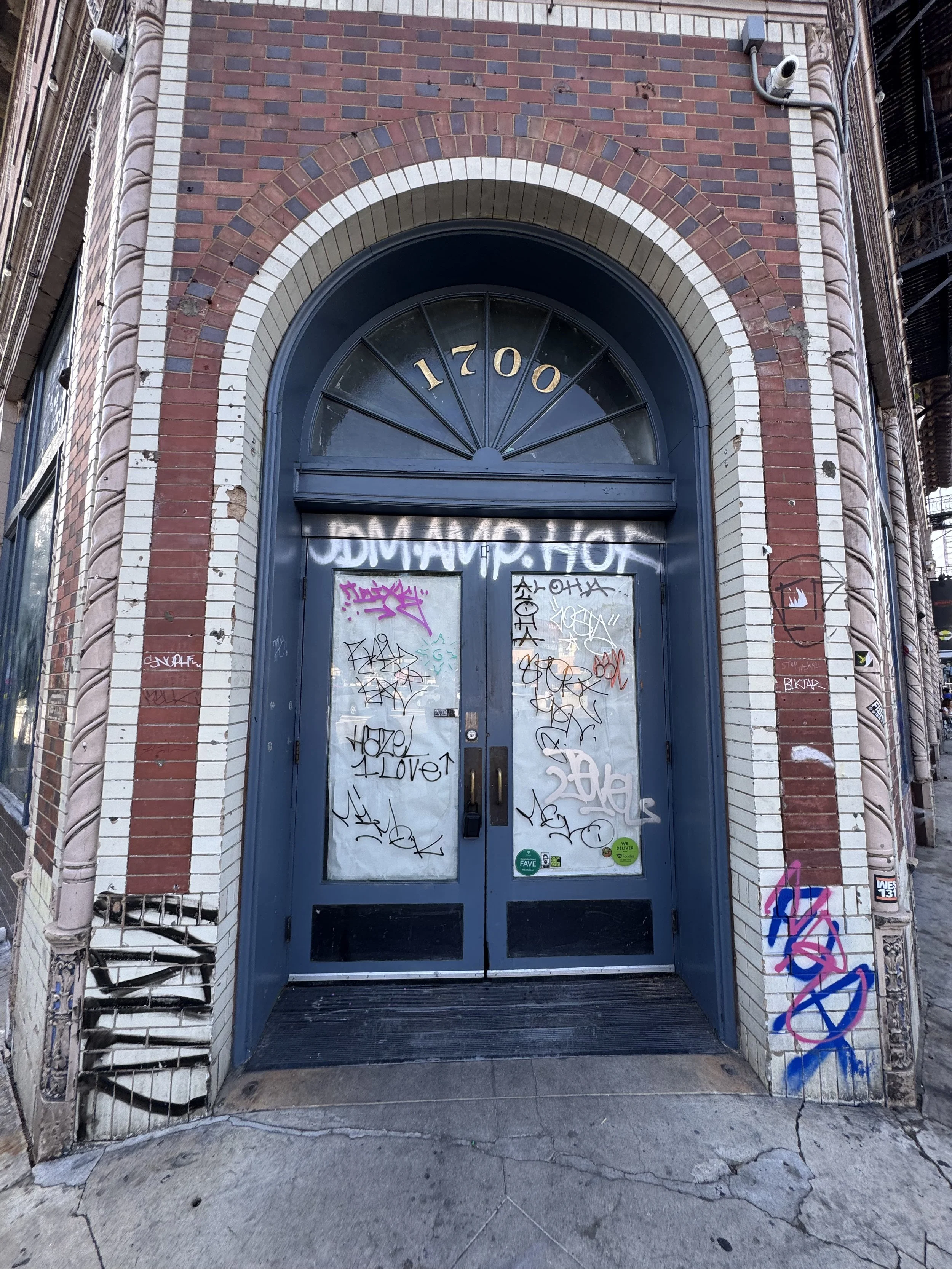
Breaking the Cycle of Neglect and Vandalism
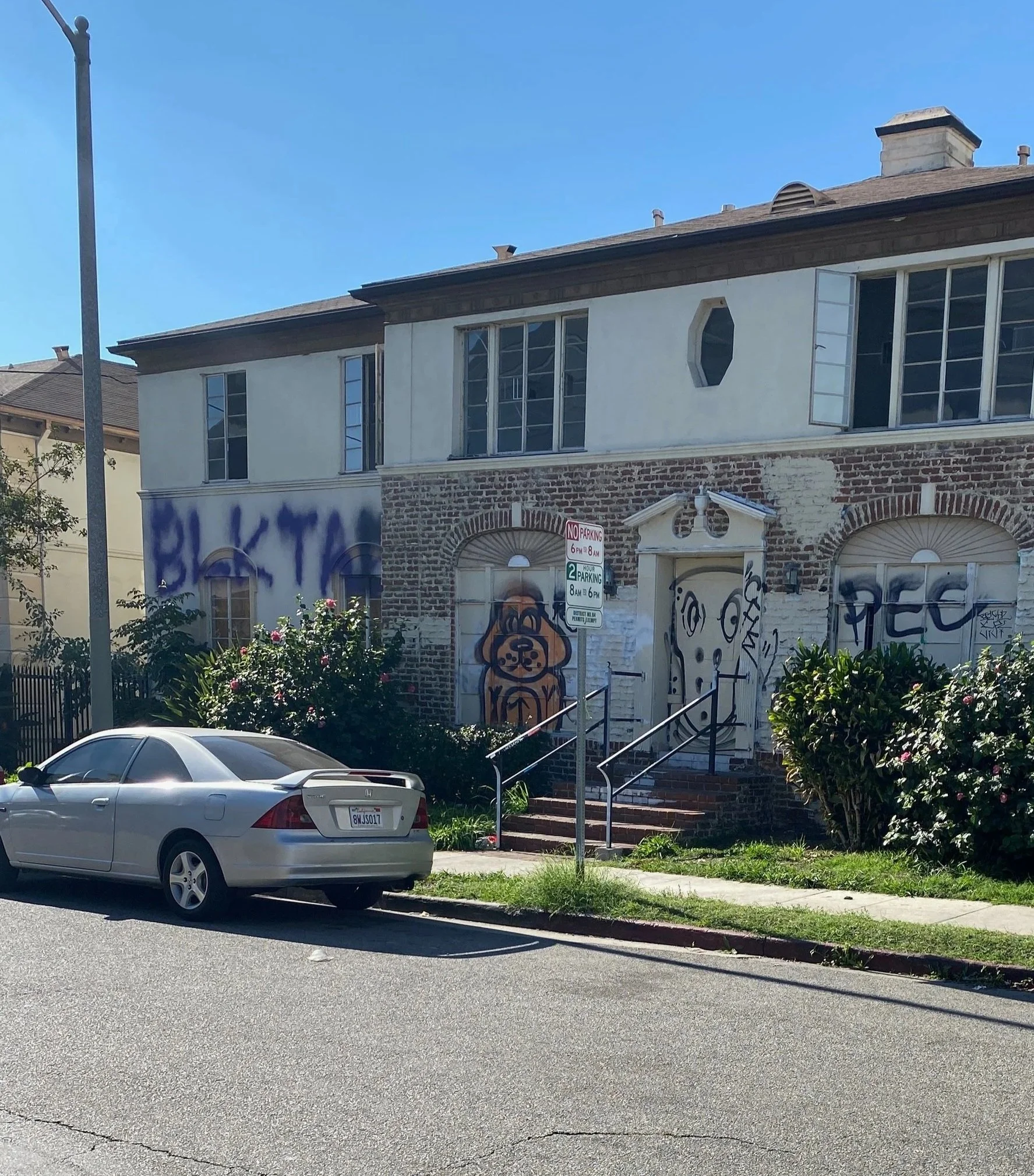
Graffiti, from name tagging to gang markings to acid-etched windows, hits small business owners hardest through repeated cleanup costs and lost customers. Tagging is often the first step toward gang involvement, a behavior that escalates when left unchecked. When property owners delay removal, corridors signal nobody's watching, inviting more vandalism and deeper criminal activity. Solutions require holding negligent owners accountable, supporting rapid-response programs that remove graffiti and youth intervention programs before tagging moves to deeper gang membership.
Graffiti
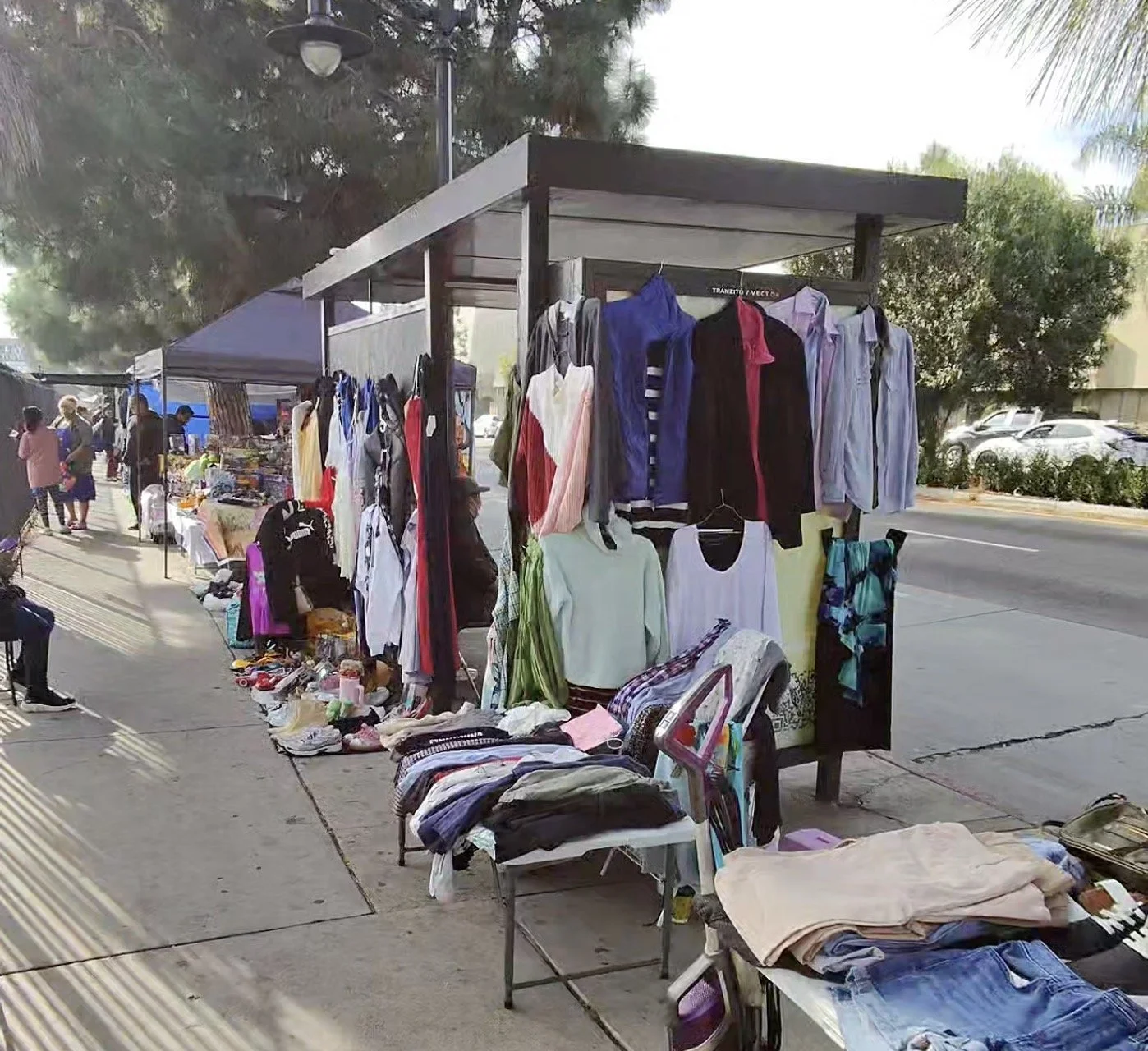
Our Streets Are Hot, Bare, and Unwelcoming
Across District 13, relentless sun beats down on bare concrete with no relief: no trees, no awnings, no shade structures. From Cahuenga in the Hollywood Vinyl District, up through parts of Silverlake and Echo Park, the urban heat island effect makes summer sidewalks unbearable. This isn't just discomfort; its both a health and economic crisis. Dangerous temperatures drive customers away from businesses, threaten elderly and unhoused residents, and empty our commercial corridors when people need them most. Waiting a decade for saplings to mature isn't a solution. We need immediate interventions: shade structures, awnings, strategic greening that works now while trees grow.
Heat and Lack of Shade
-
Architectural Shade: Immediate Relief
Launch a Grow CD13: Shade Now program to cover the hottest corridors along Sunset and Hollywood Blvds with awnings, pop-up canopies, and facade-mounted sunshades backed by fast-tracked grants, fee waivers, and no-nonsense approvals.
Team up with local designers, businesses, and BIDs to bulk-purchase and install modular and branded shade structures giving each corridor its own cool, welcoming style.
Make it easy and affordable for every building owner to boost comfort because shade is good for health, for business, and for street life.
-
Rewilding and Green Transformation - Bold Moves for a Cooler Future
We know we need more trees. Let’s bring the Paris Olympics playbook home: pilot “mini-forests,” pocket parks, and fast-growing shade corridors right here in CD13 using proven, high-impact techniques that cool blocks, not just corners.
Turn blank commercial walls and empty lots into vertical gardens and green spaces partnering with artists, schools, and local groups for maintenance and pride.
Launch Grow CD13: Green Corridor and Fast Planting projects on the hardest-hit streets, getting community partners working together to create instant shade and long-lasting green.
-
Public-Private Partnerships, Global Solutions in CD13
We won’t wait on City Hall. I’ll bring in the experts. Tap partners like Salesforce, who are rewilding entire downtowns around the world, as well as leading companies already investing in shade innovations.
Build alliances with major employers, tech leaders, and nonprofits to deliver shade and green leadership at civic scale by using their resources, innovation, and expertise for the neighborhoods that need it now.
Make CD13 the first LA district where business, government, and global changemakers unite to beat the heat. We’ll show what’s possible when we act together.